

















































Everything to know before you buy tyres for the BMW 6 Series: the factory sizes by generation, which type of tyre suits how you drive, and how to make them last in UAE conditions.
016 Series generations & sizes
Original-equipment sizes for each generation. Optional sizes for larger wheels are listed in the table above the guide.
| Generation | Years | Factory sizes |
|---|---|---|
| III LCI (F06/F12/F13) | 2015 – 2019 | 245/45 R18 |
| III (F06/F12/F13) | 2011 – 2015 | 225/55 R17 · 245/45 R18 |
| II (E63/E64) Facelift | 2007 – 2010 | 245/45 R18 · 245/50 R17 |
02Touring, performance or run-flat?
Ultra-high-performance tyres
Low-profile sizes like the ones fitted to the 6 Series are designed for precise steering and short braking distances. Choose a tyre with at least the speed rating and load index of the original fitment.
Touring tyres
If comfort and low noise matter more than lap times, a premium touring tyre in the same size rides more quietly and usually lasts longer.
Run-flat and staggered set-ups
Cars delivered on run-flat tyres often have no spare wheel, so keep run-flats unless you add a repair kit. Where the front and rear sizes differ, order each size as a pair and do not rotate tyres front to back.
03Best tyres for the 6 Series
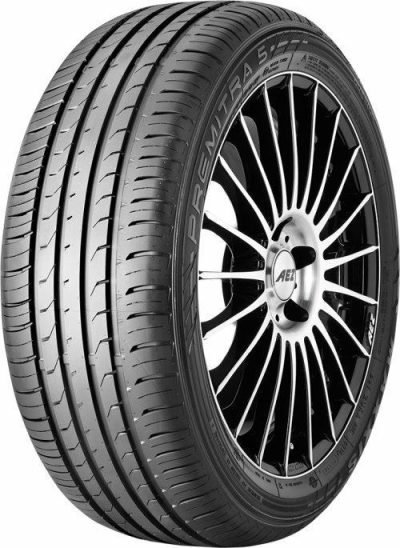
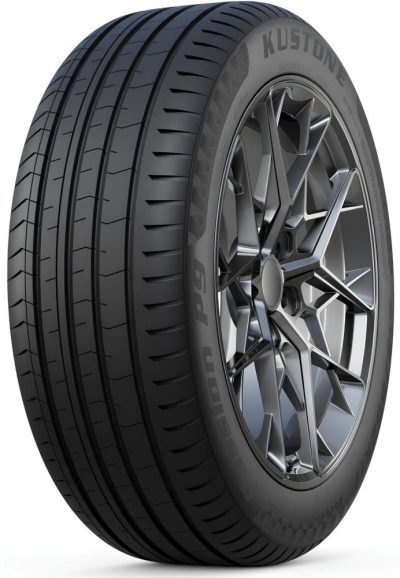
These are the brands we stock most in BMW 6 Series sizes. Compare them in the grid above: every price includes fitting, balancing, nitrogen and rotation.
04Care & replacement
- Check pressures once a month when the tyres are cold, using the figures on the placard in the driver’s door frame, not the maximum printed on the tyre.
- Read the four-digit date code on the sidewall (week and year of manufacture). Heat ages rubber, so have older tyres inspected even if the tread looks fine.
- Rotate the tyres at the interval in your owner’s handbook to even out wear, unless the car has different front and rear sizes.
- Replace tyres in pairs on the same axle at least, and fit the newer pair on the rear for stability.